
Motor Slide Bases and Rails Accessories

Anti-Vibration Mounts, Slide Bases & Slide Rails

Effective vibration control is essential for maintaining equipment reliability, reducing noise, and protecting surrounding structures. Anti-vibration (AV) mounts, motor slide bases and slide rails play a critical role in isolating mechanical vibration, improving operational stability, and extending the service life of rotating equipment such as fans and motors.

Correct selection depends on load requirements, operating speed, environmental conditions and the level of isolation required. Properly specified mounting solutions not only improve performance but also reduce maintenance costs and minimise premature component failure.

Our Anti-Vibration Mount Solutions

We supply both spring and rubber anti-vibration mounts, suitable for a wide range of industrial applications.

Spring Anti-Vibration Mounts

Our spring AV mounts are manufactured with 304 stainless steel enclosures as standard, combined with high-quality mild steel springs. The 304 stainless steel housing provides excellent resistance to corrosion, making these mounts ideal for demanding or humid environments while ensuring long service life and durability.

Spring mounts are particularly suited to applications requiring:

Rubber Anti-Vibration Mounts

Our rubber AV mounts are manufactured from EPDM elastomer and are available in a range of load ratings to suit varying equipment weights and duty requirements. EPDM offers excellent resistance to weathering, ozone and general industrial environments.

Rubber mounts are ideal for:

AntiVibrationMounts

Benefits of Using Anti-Vibration Mounts

AntiVibrationMount

Motor Slide Bases & Slide Rails

Our motor base and slide rail range covers motor frame sizes from 90 to 355, providing robust and adaptable mounting solutions for belt-driven and direct-drive applications.

Key Benefits:

Designed for strength, adjustability and ease of maintenance, our slide bases and rails ensure reliable motor alignment while allowing straightforward servicing and retensioning when required.

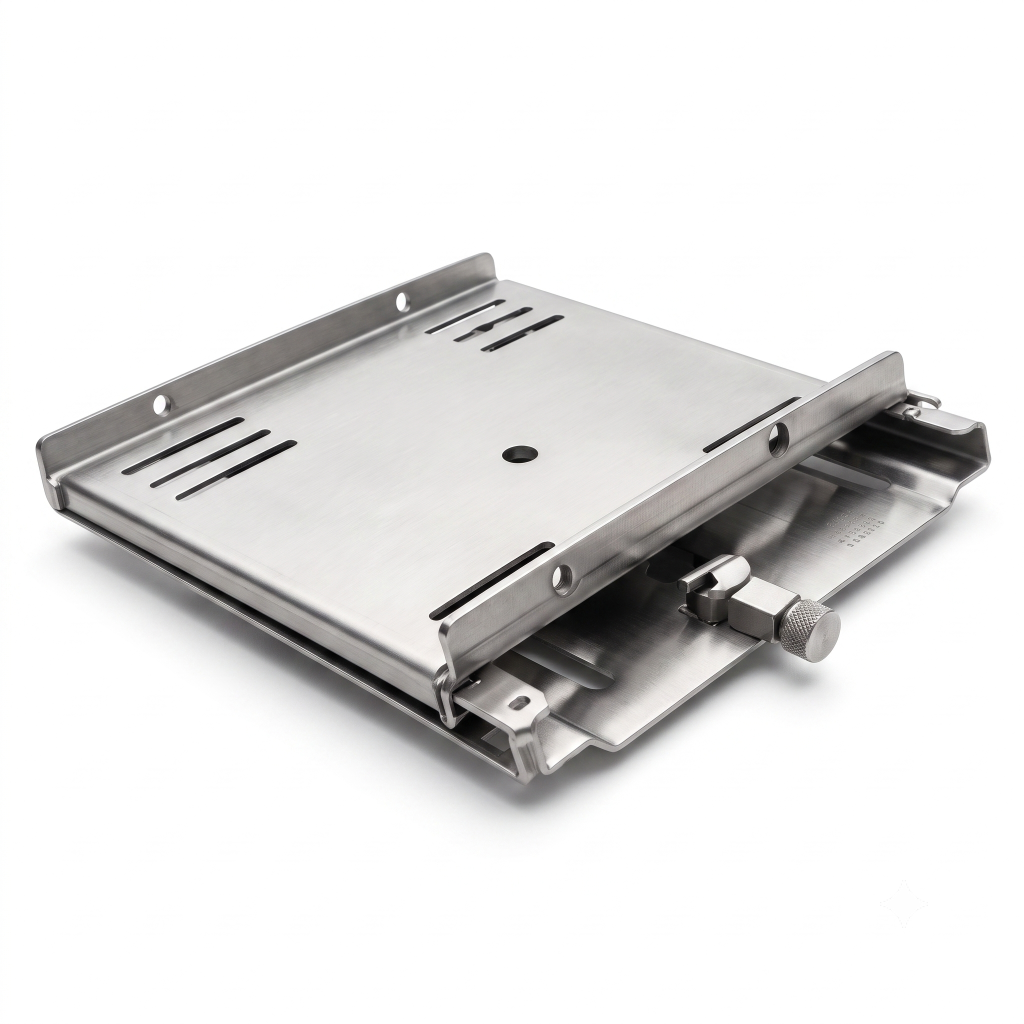
Rail
Slider

Frequently

Asked Questions

What is ATEX and why is it important?
ATEX derives from the French “Atmosphères Explosibles” and refers to European/UK regulations controlling explosive atmospheres. The ATEX Directive 2014/34/EU (previously 94/9/EC) is mandatory for all equipment used in potentially explosive environments. Compliance ensures worker safety and legal operation in hazardous areas. Non-compliance can result in serious accidents, legal liability, and operational shutdown.
Zone 0/20 represents areas where explosive atmospheres are present continuously or for long periods—requiring the highest safety standards. Zone 1/21 indicates explosive atmospheres likely during normal operation. Zone 2/22 covers areas where explosive atmospheres are unlikely but possible. Our fans are certified for all zones, with specific designs optimised for each risk level.
Our ATEX fans incorporate multiple protection methods: explosion-proof motors prevent electrical ignition, spark-resistant construction eliminates mechanical sparking, earthing/bonding prevents static discharge, temperature control prevents surface ignition, and certified flame arrestors prevent flame propagation. The 10-bar explosion containment ensures any internal ignition cannot breach the casing.
ATEX fans are mandatory in chemical and petrochemical plants, pharmaceutical manufacturing, oil and gas facilities, paint and coating operations, distilleries and breweries, grain handling and food processing, mining operations, wastewater treatment plants, and any facility handling flammable gases, vapours, or combustible dusts. UK HSE regulations require ATEX compliance in all designated hazardous areas.
We require: zone classification (0, 1, 2, 20, 21, 22), gas/dust group (IIA, IIB, IIC, IIIA, IIIB, IIIC), temperature class (T1-T6), explosive medium details, ambient temperature range, required airflow and pressure, and installation environment details. Our engineers ensure correct selection and provide complete ATEX documentation including certificates, risk assessments, and operation manuals.
No, ATEX compliance must be designed and certified from manufacture. Retrofitting cannot achieve required safety levels and would violate certification requirements. We offer replacement solutions with minimal disruption, often utilising existing ductwork and infrastructure. Our team manages the complete transition including decommissioning, installation, and certification of new ATEX-compliant systems.