PSB Smoke Control Systems

Car Park Below ground

Car Park Above ground

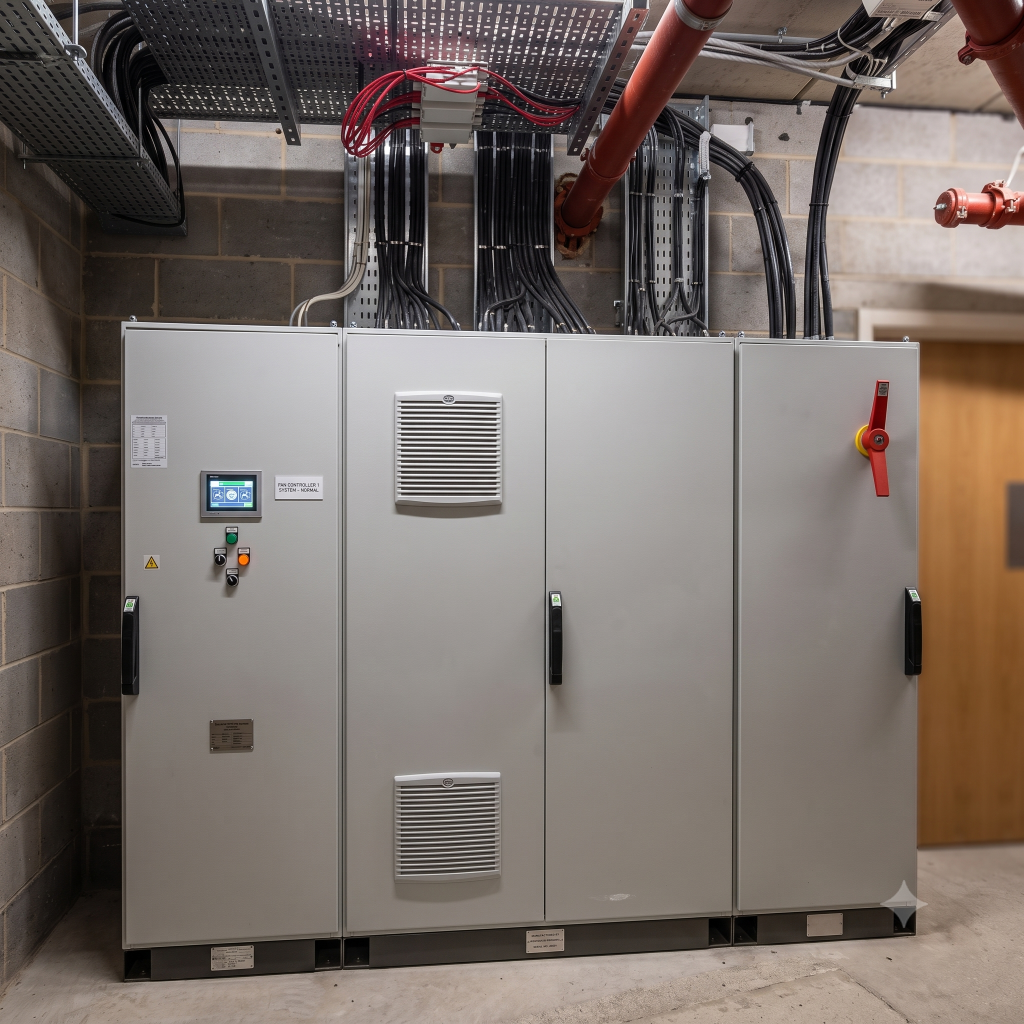
Control systems & panel supply

PSB UK LTD delivers smoke control solutions for residential, commercial, and mixed-use buildings, including:

All systems are designed to support the building’s fire strategy and means of escape.

Frequently

Asked Questions

What regulations govern smoke control systems in the UK?
UK smoke control systems must comply with multiple regulations and standards. Building Regulations Approved Document B provides the fundamental fire safety requirements, whilst EN 12101 covers smoke and heat control systems specifications. BS 7346 addresses components for smoke control, BS 9999 provides the code of practice for fire safety in building design, and BS 9991 covers fire safety in residential buildings. Post-construction, the Regulatory Reform (Fire Safety) Order 2005 requires ongoing compliance, regular testing, and maintenance. We ensure systems meet all applicable standards whilst coordinating with Building Control and Fire Service authorities.
Atria present unique challenges as smoke can spread rapidly through multiple floors without proper control. Our atria systems typically employ smoke reservoirs at high level, using either natural buoyancy or mechanical extraction to remove smoke whilst maintaining clear layers below. Key design elements include: calculating smoke production rates based on fire size, determining reservoir depth for smoke containment, sizing extraction systems for required smoke clearance rates, and providing replacement air without disturbing smoke layers. CFD modelling validates designs ensuring tenable conditions are maintained at all escape levels during evacuation.
Natural ventilation uses smoke’s buoyancy and external wind effects to exhaust through automated opening vents (AOVs), providing a passive, reliable solution with lower operational costs. However, it requires adequate vent areas and may be affected by adverse weather. Mechanical systems use powered fans providing consistent, controllable extraction regardless of external conditions, suitable for deep basements, long corridors, or where natural ventilation is insufficient. Hybrid systems combine both approaches, using natural ventilation where possible with mechanical backup for adverse conditions or enhanced performance.
Car park smoke control must address both daily pollution ventilation and emergency smoke clearance. Modern systems typically use impulse or jet fans providing longitudinal airflow, eliminating extensive ductwork whilst ensuring effective smoke control. Design considerations include: CO/NOx monitoring for daily ventilation control, smoke detection triggering emergency mode, clearance of 10 air changes per hour for smoke extraction, maintaining visibility for Fire Service access, and integration with sprinkler systems where installed. We’ve designed over 200 car park systems, from single-level retail parks to multi-storey complexes.
Under the Regulatory Reform (Fire Safety) Order 2005, responsible persons must conduct Fire Risk Assessments for all non-domestic premises. This assessment evaluates: potential fire sources and risks, persons especially at risk, adequacy of fire safety measures including smoke control, emergency escape provisions, and Fire Service access requirements. The assessment directly influences smoke control requirements, potentially identifying needs for system upgrades or modifications. We assist clients in addressing smoke control aspects of Fire Risk Assessments, ensuring systems support safe evacuation strategies.

Smoke control systems require regular testing to ensure reliability during emergencies. Weekly tests check basic operation, monthly tests verify all components, and annual tests include full functional testing with witnessed demonstrations where required. Testing encompasses: AOV operation and opening distances, fan run-up times and performance, control system logic and interfaces, backup power systems, and integration with fire alarms. We provide comprehensive maintenance packages ensuring compliance with BS 9999 requirements, including detailed logbooks documenting all testing and maintenance activities essential for regulatory compliance.