PSB Design

Gateways

Project management

Installation and Commissioning

Aftermarket support

Smoke Ventilation

Design

We design smoke ventilation systems in line with the project fire strategy, specification and UK statutory guidance including Approved Documents and British standards. 

Our comprehensive capability enables us to deliver everything from standard code-compliant to complex and bespoke systems for car park ventilation, smoke ventilation systems and atrium smoke ventilation systems for both simple and complex buildings in the residential, atria, healthcare, warehouses, retail and commercial sectors.

We provide complete project support from initial concept through to commissioning and lifetime operation.

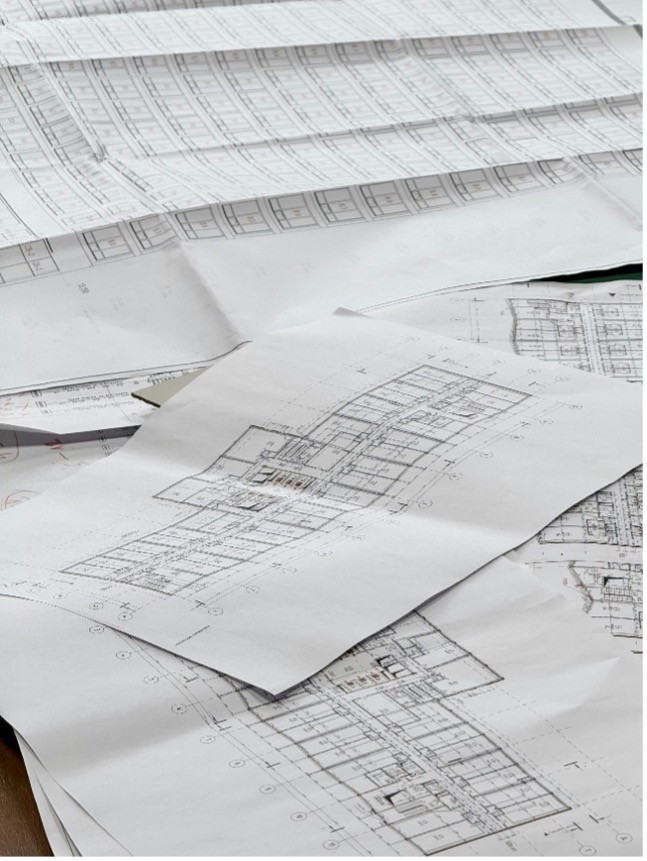
Full designs are produced with full technical submissions, including electrical schematics, layout drawings, and control logic.

This thorough engineering process eliminates installation surprises, reduces project risk and ensures right first time delivery.

PSB UK’s Design and Engineering division has been the creative force behind hundreds of successful smoke ventilation solutions worldwide, spanning multiple sectors and applications.

Our design service combines extensive industry expertise with latest engineering tools including CAD systems, acoustic analysis to ensure compliance with noise regulations and Computational Fluid Dynamics (CFD) to ensure system functions has designed.

Each project begins with a detailed analysis ensuring a full understanding of project requirements, environmental conditions, and regulatory constraints. This robust approach allows us to engineer reliable, efficient, and fully compliant solutions.

DesignLogos

Frequently

Asked Questions

What ventilation strategies are used in modern tunnels?
Modern tunnel ventilation employs three primary strategies: longitudinal ventilation using jet fans to push air through the tunnel bore, transverse systems with dedicated supply and exhaust ducts, and semi-transverse combining elements of both. Longitudinal ventilation is most common for tunnels under 3km, providing cost-effective normal ventilation and emergency smoke control. Longer tunnels often require transverse systems with extraction points every 100-200 metres, enabling localised smoke removal and maintaining tenable conditions for evacuation. Our engineers determine optimal strategies using CFD modelling validated against our extensive project database.
Contemporary jet fan technology incorporates advanced aerodynamic designs optimising airflow patterns within tunnel confines. Our latest generation fans feature refined blade geometries, optimised discharge patterns, and reduced turbulent losses achieving 30-40% higher efficiency than older designs. This enhanced performance means fewer fans required for equivalent ventilation capacity, reducing capital expenditure, installation complexity, energy consumption, and maintenance requirements. High-efficiency motors and variable-speed drives further improve operational economics.
Emergency smoke extraction systems must maintain structural integrity and operational capability at extreme temperatures. Our systems are certified to EN 12101-3 with ratings of F200 (200°C/120 minutes), F300 (300°C/60 minutes), F400 (400°C/120 minutes), and special designs to 700°C/90 minutes. Critical requirements include: maintaining 90% thrust at elevated temperatures, fire-rated cable systems, automatic activation within 60 seconds of detection, reversibility for bi-directional traffic tunnels, and integration with suppression and evacuation systems. Systems undergo witnessed fire testing demonstrating continued operation throughout required duration.
Normal tunnel ventilation maintains air quality within World Health Organisation and local regulatory limits for CO, NOx, and visibility. Our systems incorporate: real-time monitoring of pollutant concentrations, variable-speed control responding to traffic density, portal emissions treatment in sensitive areas, and energy optimisation through predictive control. Modern systems achieve 40-60% energy savings compared to constant-speed operation through intelligent control strategies responding to traffic patterns, external wind conditions, and air quality measurements.
System design depends on multiple factors: tunnel length and gradient affecting natural ventilation, traffic type and density determining pollution loads, bi-directional or uni-directional traffic flow, emergency egress distances and evacuation strategies, environmental constraints at portals, and construction limitations for equipment rooms. Additional considerations include altitude effects on fan performance, seasonal temperature variations, and potential future traffic growth. Our engineers use advanced CFD modelling and tunnel ventilation software to optimise designs, validated against our database of 800+ installations.
Comprehensive testing ensures life safety systems perform as designed. Factory testing includes: thrust measurements to ISO 13350 for jet fans, aerodynamic performance to ISO 5801 for axial fans, and high-temperature testing for emergency operation. Site commissioning involves: cold smoke tests validating airflow patterns, integrated testing with detection and control systems, emergency scenario simulations, and acoustic surveys confirming compliance. We provide complete documentation including test certificates, O&M manuals, and training for tunnel operators. Post-commissioning, we offer performance verification and optimisation services ensuring systems maintain peak efficiency throughout their operational life.